
JFK airport delays and flight cancellations at JFK occur frequently due to the airport’s role as a major international hub. At John F. Kennedy International Airport, high traffic volume and operational complexity increase the likelihood of disruption. As a result, airport delays at JFK and schedule changes often affect both domestic and international routes.
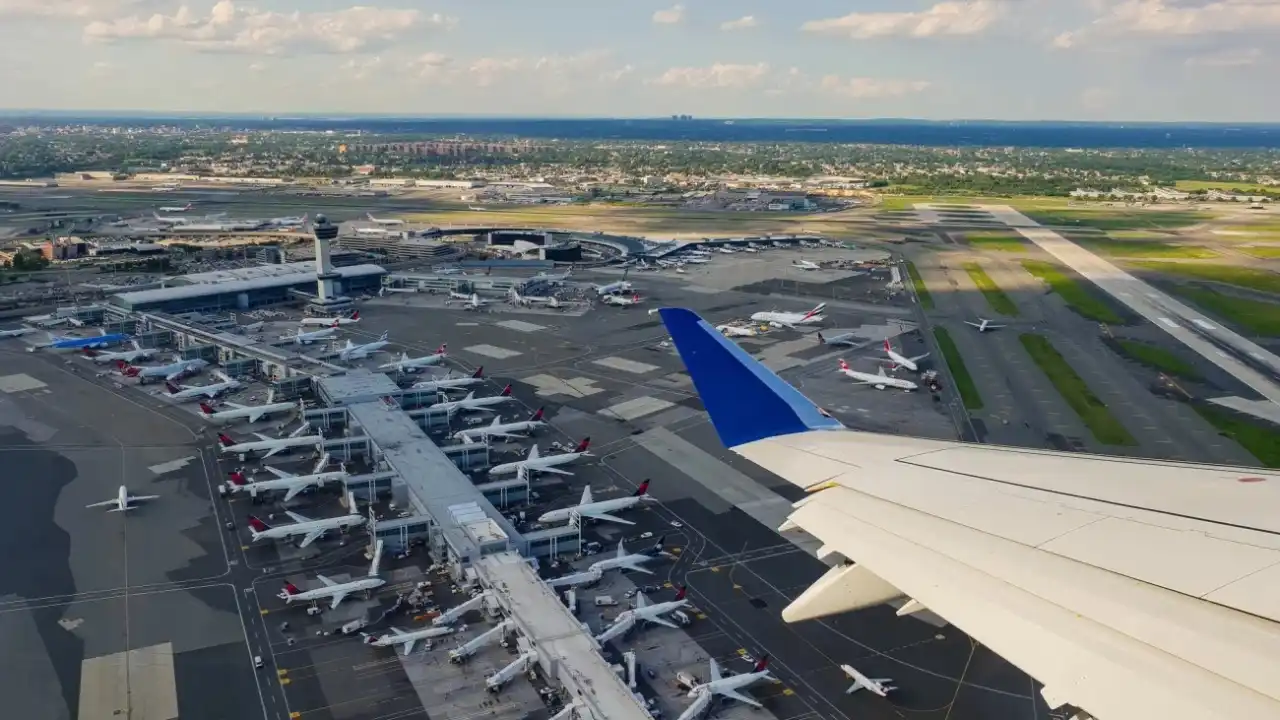
JFK Flight Delays and International Delays
JFK flight delays develop when operational flow is disrupted. JFK international flight delays are often more complex because long-haul flights require additional coordination for boarding, fueling, and clearance.
Key contributing factors include:
-
Weather conditions such as storms, fog, or snow
-
Air traffic congestion requires greater aircraft spacing
-
Late inbound aircraft leading to JFK delayed departures
-
Gate limitations during high traffic periods
These conditions explain why New York airport delays often occur in clusters rather than isolated incidents.
Airport Delays Today and Current Flight Status
Airport delays at JFK today depend on real-time operational and environmental conditions. Flight delays today at JFK increase during peak traffic periods when runway demand is high.
Morning operations often reflect earlier delays, while evening hours see increased congestion from international departures. Seasonal patterns such as winter storms and summer thunderstorms also contribute to JFK airline delays.
Flight Cancellations and Airport Disruptions
Flight cancellations from JFK occur when delays extend beyond operational limits or when safety concerns arise. JFK airport cancellations are typically linked to broader disruptions affecting multiple flights.
Common causes include:
-
Severe weather across regions
-
Aircraft maintenance or technical issues
-
Crew scheduling limits based on regulations
-
Air traffic control restrictions
These factors explain why flights cancelled from JFK often affect several routes simultaneously.
Cancellation Trends and Operational Impact
JFK flight cancellations increase when schedules cannot recover within available time and resources. Flights canceled JFK patterns usually follow major disruptions such as storms or heavy congestion.
In these situations:
-
Aircraft rotation schedules become disrupted
-
Gate availability decreases
-
Passenger rebooking demand increases
This explains how JFK airport flight cancellations can escalate quickly once disruptions begin.
Cancelled Flights and Passenger Movement
A cancelled flight at JFK affects both passenger flow and airport operations. Flight cancellations at JFK airport lead to congestion at service counters and increased demand for rebooking.
Limited seat availability on alternative flights slows recovery. This shows how airport delays at JFK and cancellations are interconnected within a single operational system.
Compensation for Delays and Cancellations
Compensation for flight cancellations at JFK and delays depends on the cause of disruption and applicable regulations. Airlines determine compensation based on whether the issue falls within operational control.
-
Weather-related disruptions usually do not qualify for financial compensation
-
Operational issues may result in meal vouchers, hotel stays, or travel credits
-
International routes may follow additional regulations depending on the airline
This structure exists because compensation policies are based on responsibility. External factors reduce airline liability, while internal disruptions may increase it.
Flights Cancelled and Network Effects
When JFK airport flights cancelled numbers rise, the impact spreads across the aviation network. Delayed arrivals affect departures, while congestion slows aircraft turnaround.
As a result:
-
JFK international delays increase due to missed departure slots
-
Ground operations experience higher pressure
-
Airline schedules require adjustments across multiple destinations
This interconnected system explains why flight cancellations at JFK often lead to additional delays.
JFK airport delays and flight cancellations at JFK result from the interaction of weather, traffic demand, and operational constraints. At John F. Kennedy International Airport, high flight volume increases complexity, making disruptions more likely during peak periods. Coordinated systems help manage these challenges, but external conditions continue to influence reliability.
Frequently Asked Questions
A JFK ground stop enables all inbound flights to stop flying from their origin airport. It is activated due to reasons like high winds, staffing shortages, or engine incidents on runways.
JFK FAA delays come from air traffic control shortages leadin o flight disruption. Durin evens like overnmen shutdown. The FAA cuts operations by 10% to maintain safety.